
How to Create High-Quality Content That Ranks and Attracts Traffic
How to Create High-Quality Content That Ranks and Attracts Traffic
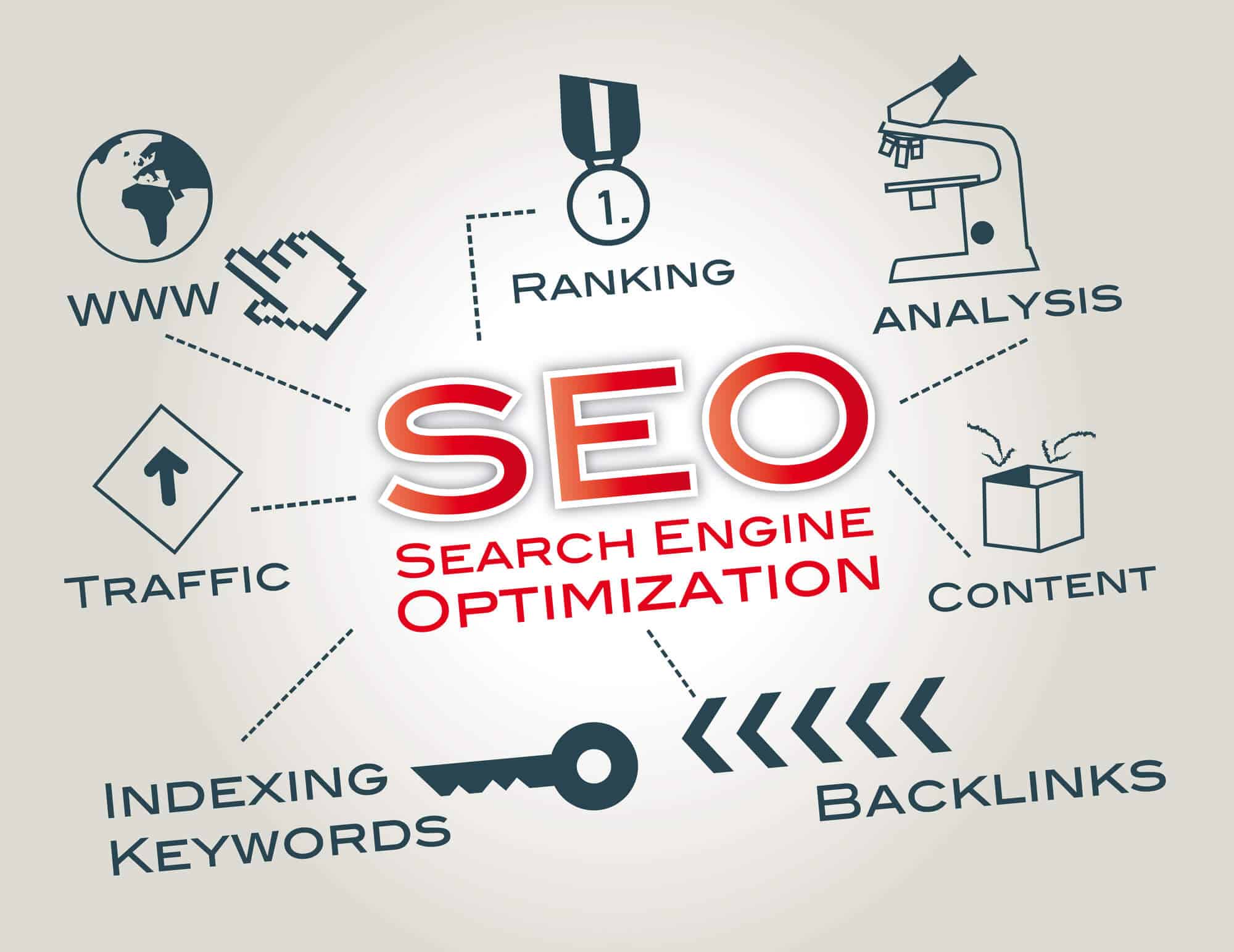
Content is the heart of SEO.
No matter how strong your technical setup is, your website will not rank without useful, well-optimized content.
This guide explains how to create SEO content that ranks, attracts the right audience, and delivers long-term value.
What Is Content SEO?
Content SEO is the process of creating, optimizing, and maintaining content so it performs well in search engines.
It focuses on:
-
Content quality
-
Search intent
-
Keywords and structure
-
User engagement
Good content SEO balances search engine requirements and user needs.
Why Content Matters for SEO
Search engines rank content that helps users.
Strong content:
-
Answers real questions
-
Builds authority
-
Earns backlinks naturally
-
Keeps users engaged
Thin or low-quality content rarely ranks long-term.
Understanding Search Intent Before Writing
Search intent determines what kind of content you should create.
There are three main types.
Informational Intent
Users want answers or explanations.
Examples:
-
what is SEO
-
how content SEO works
Best formats:
-
Guides
-
Tutorials
-
Blog posts
Navigational Intent
Users want to reach a specific website or page.
Example:
-
Google Search Console login
SEO impact here is limited.
Transactional Intent
Users want to take action.
Examples:
-
best SEO tools
-
free content analysis tools
Best formats:
-
Tool pages
-
Comparisons
-
Landing pages
Matching intent is critical for rankings.
How to Plan SEO Content
Good content starts with planning.
Topic Research and Topical Authority
Search engines reward websites that cover topics deeply.
Instead of isolated articles, build topic clusters.
Example:
-
Main topic: SEO
-
Subtopics: keyword research, on-page SEO, content SEO
This signals expertise and authority.
Keyword Research for Content SEO
Each article should target:
-
One primary keyword
-
Several related keywords
Use keywords naturally across:
-
Headings
-
Body text
-
Image alt text
Avoid over-optimization.
Content Structure That Improves Rankings
Structure helps both users and search engines.
Use Clear Headings (H2 & H3)
Headings break content into readable sections.
Benefits:
-
Better scanning
-
Improved understanding
-
Stronger SEO signals
Each section should focus on one idea.
Short Paragraphs and Simple Language
SEO-friendly content is easy to read.
Best practices:
-
2–4 lines per paragraph
-
Short sentences
-
Clear explanations
Readability improves engagement and dwell time.
Writing Content That Solves Problems
Search engines prioritize helpful content.
Ask:
-
What problem is the user facing?
-
What solution can I provide?
Explain concepts step by step and avoid fluff.
Optimizing Content for Keywords (Naturally)
Keyword usage should feel natural.
Place keywords in:
-
Title
-
First paragraph
-
Headings
-
Internal links
-
Alt text
Never force keywords where they don’t belong.
Image Usage in SEO Content
Images improve engagement and clarity.
Best practices:
-
Use 1–3 images per article
-
Optimize image size
-
Add descriptive alt text
Image suggestion:
Image: Content structure example
Alt text: SEO content structure with headings and images
Internal Linking for Content SEO
Internal links connect related content.
They help:
-
Search engines discover pages
-
Users explore more content
-
Pages pass authority
On belgarabia.com, internal links should connect:
-
SEO guides
-
Tool pages
-
About, Contact, and Privacy Policy
External Links and Content Trust
Linking to trusted sources improves credibility.
Examples:
-
Google Search Central
-
Google Analytics documentation
-
Industry-leading SEO blogs
External links show research and transparency.
Updating Content for Better Rankings
SEO content is not “set and forget”.
Update content when:
-
Information becomes outdated
-
Rankings drop
-
Search intent changes
Fresh content performs better over time.
Common Content SEO Mistakes
Avoid these mistakes:
-
Writing without keyword research
-
Ignoring search intent
-
Publishing thin content
-
Keyword stuffing
-
No internal links
Consistency matters more than volume.
Content SEO Tools That Help

Content tools simplify optimization.
On belgarabia.com, content and SEO tools help:
-
Analyze text
-
Improve structure
-
Optimize keywords
Trusted external tools:
-
Google Search Console
-
Google Search Central
Measuring Content SEO Performance
Track performance to improve results.
Key metrics:
-
Organic traffic
-
Rankings
-
Time on page
-
Bounce rate
Data-driven updates outperform guesswork.
Content SEO and Long-Term Growth
Content SEO builds sustainable traffic.
When done correctly, it:
-
Attracts consistent visitors
-
Builds authority
-
Supports conversions
Quality content compounds over time.
Final Thoughts on Content SEO
Content SEO is about clarity, value, and consistency.
Focus on:
-
Helping users
-
Structuring content properly
-
Optimizing naturally
Great content earns rankings and trust.