
SEO: The Complete Beginner-to-Advanced Guide to Ranking Higher in Search Engines
SEO: The Complete Beginner-to-Advanced Guide to Ranking Higher in Search Engines
Search Engine Optimization (SEO) is one of the most powerful ways to grow traffic, visibility, and authority online.
Yet, for many website owners, SEO feels confusing, technical, or overwhelming.
This guide breaks SEO down into clear, practical steps.
Whether you are building a new website or improving an existing one, you will learn how SEO works, why it matters, and how to apply it correctly.
What Is SEO?
SEO stands for Search Engine Optimization.
It is the process of improving your website so that search engines like Google can understand, trust, and rank your pages higher in search results.
When SEO is done correctly:
-
Your website appears for relevant searches
-
You get free, long-term traffic
-
Visitors are already looking for what you offer
SEO focuses on both users and search engines.
Why SEO Is Important in 2025 and Beyond
Search engines are still the primary source of website traffic for most businesses and creators.
SEO matters because:
-
Most clicks go to the top results
-
Paid ads stop when the budget ends
-
Organic traffic builds trust and authority
-
SEO compounds over time
A well-optimized page can bring traffic for years with minimal maintenance.
How Search Engines Work
Before optimizing, you need to understand how search engines work.
Crawling
Search engines use bots to discover pages across the web.
Indexing
Discovered pages are stored and analyzed in a massive database.
Ranking
Pages are ranked based on relevance, quality, and authority.
SEO helps search engines:
-
Find your content
-
Understand its topic
-
Decide where it should rank
The Three Pillars of SEO
Successful SEO is built on three core areas.
1. On-Page SEO
On-page SEO focuses on content and page optimization.
Keyword Research
Keywords are the words people type into search engines.
Good keyword research helps you:
-
Target real search demand
-
Avoid impossible competition
-
Match search intent
Focus on:
-
Primary keyword (main topic)
-
Related keywords
-
Long-tail keywords
Example:
Primary: SEO
Related: search engine optimization, SEO strategy, SEO tools
Content Optimization
High-ranking content is:
-
Helpful
-
Clear
-
Well-structured
Best practices:
-
One main topic per page
-
Use H2 and H3 headings
-
Short paragraphs (2–4 lines)
-
Simple language
Avoid keyword stuffing.
Use keywords naturally where they make sense.
Title Tags and Meta Descriptions
These appear in search results.
Title tag tips:
-
Include the main keyword
-
Keep it under 60 characters
-
Make it clickable
Meta description tips:
-
Summarize the page clearly
-
Encourage clicks
-
Keep it under 160 characters
Internal Linking

Internal links help search engines understand your site structure.
Benefits:
-
Improves crawling
-
Distributes page authority
-
Keeps users engaged
Example internal links:
-
Link to your About page
-
Link to your Privacy Policy
-
Link between related SEO articles
On belgarabia.com, internal links should connect:
-
SEO guides
-
Tools pages
-
Educational resources
2. Technical SEO
Technical SEO ensures your website works properly for search engines.
Website Speed
Fast websites rank better and convert better.
Improve speed by:
-
Using optimized images
-
Reducing unnecessary scripts
-
Choosing good hosting
Image suggestion:
Image: Website speed comparison chart
Alt text: website speed optimization impact on SEO
Mobile-Friendly Design
Google uses mobile-first indexing.
Your site must:
-
Work perfectly on phones
-
Have readable text
-
Be easy to navigate
A clean design improves:
-
SEO
-
User experience
-
Engagement
Indexing and Crawlability
Search engines must be able to access your pages.
Check:
-
Robots.txt
-
XML sitemap
-
Broken links
-
Duplicate pages
Tools like Google Search Console help monitor indexing issues.
(External trusted source: Google Search Central)
3. Off-Page SEO
Off-page SEO focuses on authority and trust.
Backlinks
Backlinks are links from other websites to yours.
Search engines treat backlinks as votes of confidence.
Quality matters more than quantity.
Good backlinks come from:
-
Trusted websites
-
Relevant niches
-
Natural mentions
Avoid:
-
Paid spam links
-
Link farms
-
Automated link building
Brand Signals
Search engines also look at:
-
Brand mentions
-
Direct traffic
-
Social visibility
A real brand builds trust over time.
SEO Content That Ranks: What Actually Works
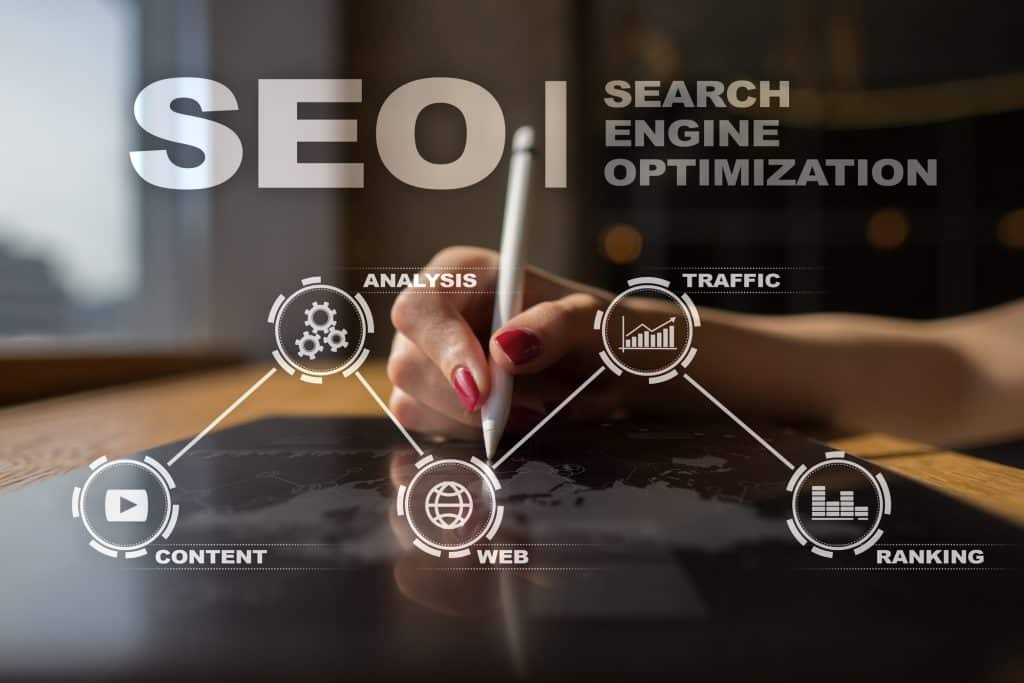
Ranking content solves problems.
High-performing SEO content:
-
Answers questions clearly
-
Matches search intent
-
Is easy to scan
-
Is regularly updated
Ask yourself:
-
What problem is the user trying to solve?
-
Can I explain it better than others?
Common SEO Mistakes to Avoid
Many websites fail because of simple mistakes.
Avoid:
-
Writing for search engines instead of users
-
Ignoring technical SEO
-
Targeting keywords that are too competitive
-
Publishing thin or duplicate content
-
Forgetting internal links
SEO rewards consistency and quality, not shortcuts.
SEO Tools That Make Optimization Easier
SEO tools help you:
-
Research keywords
-
Analyze pages
-
Track performance
On belgarabia.com, SEO tools are designed to:
-
Be simple
-
Provide clear insights
-
Help improve results faster
External trusted tools and resources:
-
Google Search Console
-
Google Analytics
-
Google Search Central documentation
How Long Does SEO Take?
SEO is not instant.
Typical timeline:
-
1–3 months: indexing and early signals
-
3–6 months: visible improvements
-
6–12 months: strong, stable rankings
SEO is a long-term investment, but the returns compound.
SEO and User Experience Go Together
Modern SEO is user-first.
Search engines reward websites that:
-
Load fast
-
Are easy to use
-
Provide real value
If users stay longer and engage more, rankings improve naturally.
Final Thoughts on SEO
SEO is not magic.
It is a systematic process of improving content, structure, and trust.
When done correctly:
-
SEO brings consistent traffic
-
Builds authority
-
Supports long-term growth
Start with strong fundamentals, publish helpful content, and improve continuously.